Apple's sales success with the iPhone X could lead the company to charge 1,400 euros for the Plus version of the new iPhone
Apple would have strategically decided to increase its margin on the flagship of the iPhone lineup.

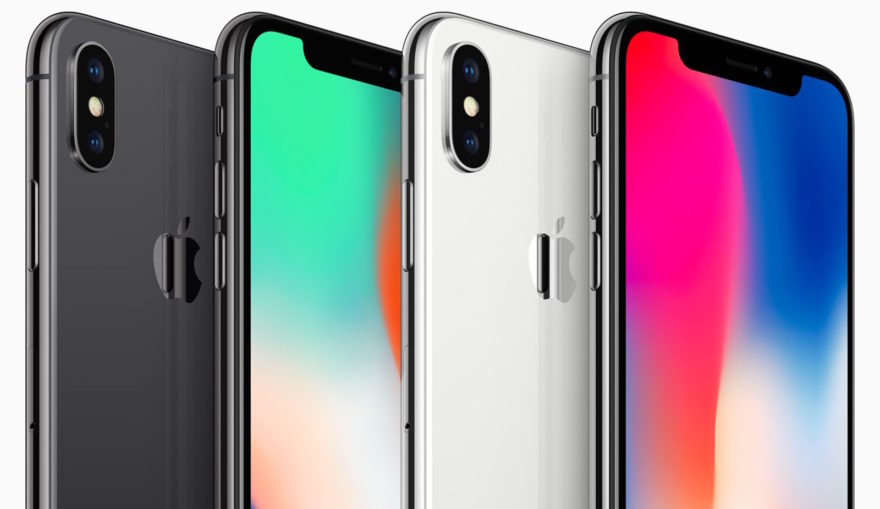
Over the past year, since the unveiling of the iPhone X, much has been said about its sales figures and the negative effect that the high price of Apple’s flagship could have on them. After all these months, however, reality places us in a completely different scenario from the one many critics had predicted.
Several analysts now believe there are reasons to expect a widespread increase in the price of high-end smartphones following the results Apple has achieved with the iPhone X.
According to these analysts, when Apple broke through the 1,000-dollar barrier with the iPhone X last September, many critics doubted there would be a significant number of consumers willing to pay such a high price. Yet almost a year later, reality has shown they were wrong. Tim Cook announced last July that the iPhone X had outsold all other iPhone models every single week since its launch in November.
In this way, Apple has demonstrated that there is a significant number of buyers willing to pay as much as, or even more than, the price of a laptop for a top-of-the-range iPhone. It seems we will therefore have to get used to paying more than 1,000 dollars (or euros) if we want the very latest.
Is it justified to pay more than 1,100 euros for an iPhone?

According to these analysts, there are two reasons that justify these high prices:
On the one hand, there is the cost of components. The latest smartphones include increasingly sophisticated and therefore more expensive components. The iPhone X’s TrueDepth camera includes depth sensors capable of creating a 3D map of the face, the rear camera has 2 lenses instead of one, and some materials, such as the glass on the back or the aluminum outer frame, are not cheap either.
But although it is true that the cost of the components in the latest flagship models reaching the market is higher, there is a second factor, probably more important, that explains the increase in the final price consumers have to pay.
According to analyst Ben Wood, Apple has made the strategic decision to raise the price of the highest model in its lineup with the aim of maximizing revenue. Apple can afford to apply a “premium” margin because the top iPhone model has become a symbol of social status for which many consumers are willing to pay extra.

That being the case, Wood considers it entirely possible that the price of the Plus version of the iPhone with a 6.5-inch OLED display that we will see in September starts at 1,200 dollars, or, in other words, once the currency conversion is made and VAT applied, around 1,400 euros here in Spain.
Would you be willing to pay 1,400 euros for the 64GB iPhone Plus and more than 1,500 euros for the 256GB version?
It is curious that the Plus name of this iPhone, which we have always associated with its larger screen size, could this year also refer to the extra amount you will have to pay if you want to buy Apple’s latest flagship.
Source| CNET